HISTORY – Summer Reading Week 5 (12-18 July 2020)

Hello Eagles!  Welcome to Summer Reading Week 5.  Our theme this week is history and I am so glad that you are here.  This week is a little bit different for an exciting reason!  This week, we have a special visitor.  Her name is Claralyn Burt and she is an archivist.  What is an archivist?  And, what do archives have to do with history?  If you are curious and listen carefully, you will soon find out!

  1.  Dig into the archives by listening to Ms. Burt explain her work in this short video.

Claralyn Burt, Archivist

2.  Now that you know what an archivist is, and what an archivist does, let’s do some history-themed reading.  

    • PreK-2: Start on our PXES Library Guide home page, linked here: PXES Library Guide Home Page  Choose PebbleGo.  Log in with Username:  sas1912  Password: eagles#1.  Then, choose PebbleGo Social Studies. Choose “Long Ago and Today.”  There are seven segments to explore:  Clothing, Communication, Farming, Food, Games & Fun, Homes, School, and Transportation.  All of this content is U.S. specific.

If that does not fit your family, use BrainPop Jr. instead.  BrainPop Jr. has segments on Ancient China, Ancient Egypt, and Ancient Rome which you may find more interesting.

SORA has some fabulous titles to complement this week’s history theme.  Log on to SORA using your student or parent ID and look for these titles:

      • Mr. Ferris and His Wheel by Kathryn Gribbs Davis (history of the Ferris wheel!)
      • Tillie the Terrible Swede by Sue Stauffacher and Sarah McMenemy (sports history!)
      • Balto and the Great Race by Elizabeth Cody Kimmel (Alaskan history)

Note, when reading from the SORA library, only one user at a time can access the material.  After you read the book, please return it early so that others can have a look at the same title. Thanks!

    • Grades 2-5:  Begin with Tumblebooks.  Start on our PXES Library Guide home page, linked here: PXES Library Guide Home Page  Choose Tumblebooks.  Log in with Username:  sas1912  Password: eagles.  Search for these titles:
      • Geronimo Stilton, Volume 5: The Great Ice Age by Geronimo Stilton (pseudonym)
      • Pippo the Fool  by Tracey E. Fern (Story of the construction of the Florence, Italy, Cathedral Dome, an engineering masterpiece.)
      • War Dogs by Kathryn Selbert (Age-appropriate story of Winston Churchill’s leadership during World War II.)

Continue your reading with one of our history-themes titles in SORA.  You can search using the keyword “history.”  However, these titles may be of interest:

      • Candy Bomber by Michael O. Tunnell
      • Shackleton and the Lost Antarctic Expedition by Blake A Hoena
      • The Titanic Sinks! by Thomas Conklin

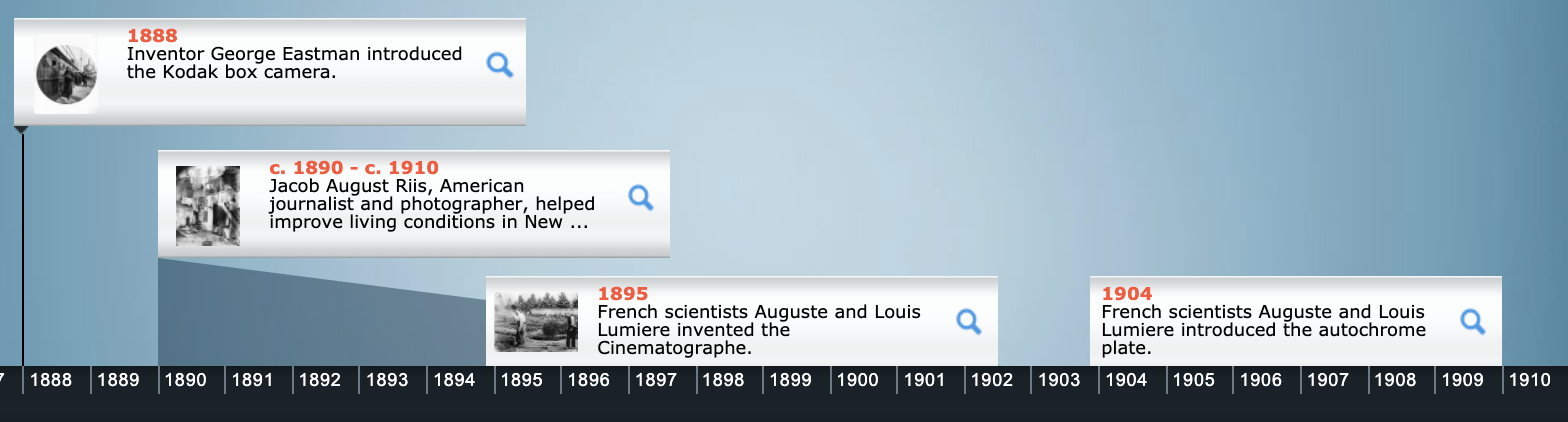
3. Project Idea:  Create a Timeline: Time is sometimes a difficult concept for young children to understand.  Timelines are graphic representation of events in the order that they happened.  Often, time is shown on a line with the oldest events on the left and more recent events on the right.  Here is a sample from our World Book Timelines module from the History of Photography:
PreK – K:  Create a simple timeline of the last week.  What happened on Monday, Tuesday, Wednesday, etc.?  This should give children a concept of the passage of time and how that can look when put on paper.  Or, you could create a 3-D timeline using a piece of string and one simple object for something that happened each day.

Grades 1-3: Create a timeline of the last school year.  Mark the first and last days of school, your children’s birthdays, and special holidays.  Mark the day when distance learning started and when campus reopened.  Try to reconstruct the year so that your children can see at a glance what happened and the order of significant events.

Grades 4+:  Take a look at the World Book Timelines Module.  Students may need a bit of help to access this tool, but the content is rich and worthwhile.

  • Start on our PXES Library Guide home page, linked here: PXES Library Guide Home Page
  • Choose World Book
  • Choose World Book Timelines (If you are automatically sent to World Book Kids, click on the tiny word “Products” in the bottom left corner.  From there, click “Timelines.”)
  • Select any category and it will open up into a number of different timelines that you can view.  The interface is not easy to use.  You’ll have to play with it a bit.  Look carefully for the navigation buttons.  Once you find significant events, click on them for more information.

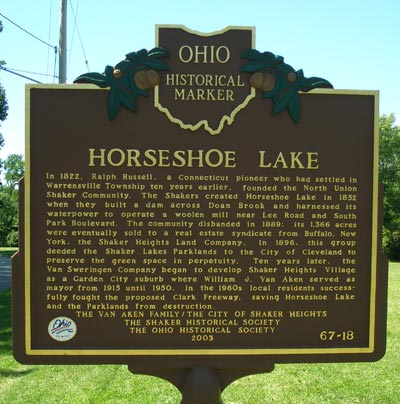
4.  Take a History Walk:  If you can, take a history walk in your own neighborhood.  Where can you find evidence of people and events from before you were born?  Are there any historical markers?  Old structures like canals or bridges?  Older or historic homes?  What can you learn from your history walk?  Here is an historical marker in my neighborhood which tells about the Shaker people who lived in my area about 200 years ago!
5. Project Idea:  Create an Archive: Claralyn Burt is back to show you how to make your very own Childhood Memories archive.  Listen to Ms. Burt in Part 1, then gather and organize your archive’s objects.

Childhood Memory Archive, Part 1, Claralyn Burt

6.  Write About It:  Now that your objects have been assessed, collected, and partially organized, finish the job by writing about your archive.  Listen to Ms. Burt in Part 2 then fill-out the worksheet.  Finally, preserve your archive by placing it in a box, and share it when you are ready.  If you follow the steps Ms. Burt has presented, you are an archivist!!

Childhood Memory Archive Worksheet, Claralyn Burt

Childhood Memory Archive, Part 2, Claralyn Burt

7. Beyond the Books:  Virtual Field Trips: Take a virtual field trip and learn more about history from one of these specialized visits:

Grades PreK-3:

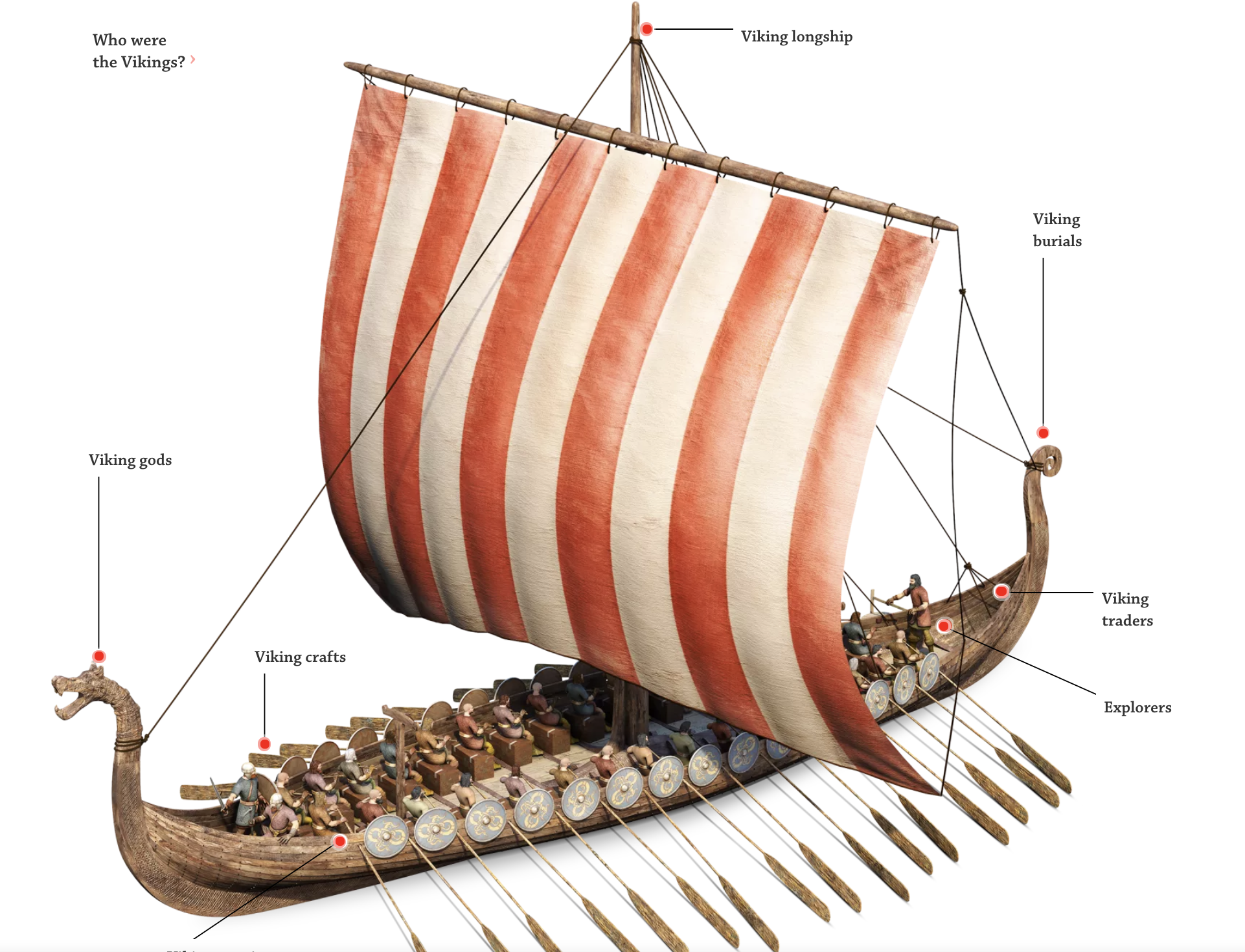
If you enjoy learning about Viking ships, explore more history topics with DK Find Out:  DK Find Out, History (All Topics Listed)   Take a look at the seven wonders of the ancient world!!

Grades 4+ :

Please Remember:  Always adapt these activities to your own resources, languages, and children’s interests.  I hope that you have enjoyed our fifth week’s history theme.  Special thanks to Claralyn Burt, Archivist, for sharing her expertise with us!  Look for another collection of reading and activity suggestions next week.

Your Friend in the Library, Miss Betty
TRAVEL – Summer Reading Week 4 (6-12 July 2020)

Welcome to Summer Reading, Week 4:  TRAVEL !

  1. Begin your journey by listening to one of these summer-themed titles, found on Tumblebooks.  Start on our PXES Library Guide home page, linked here: PXES Library Guide Home Page  Choose Tumblebooks.  Log in with Username:  sas1912  Password: eagles
  • PreK-2:
    • Jackson and Bud’s Bumpy Ride (15:00) A fictionalized account of the first automobile trip from San Francisco to New York City!!
    • Our California (4:00) Poems introduce California’s most loved regions and cities.
    • Subway Ride (3:09) Take a subway ride in ten cities around the world!
  • Grades 2-5:  A Ticket Around the World (32:23).  Be an active listener.  Write two new facts about each of the 13 countries you’ll visit.

2.  Continue your trip by using our Culture Grams subscription to visit two new countries.  Go to the PXES Library Guide Home Page and choose Culture Grams. To log-in use:  Username:  sas1912  Password: eagles#1.  Choose “Kids Edition.”  Navigate using the continent menu underneath the world map.  Then, once inside a country’s pages, use the color-coded menus on the left to navigate.

    • What is the smallest, independent nation in South America?
    • What nation has a two-colored flag which symbolizes the open sky over wheat fields?
    • Which country has the southernmost capital city in the world?

Which countries or regions will you visit and what will you discover?  Try to trick your parents by giving clues for which they need to identify the country.  Can you outsmart them?

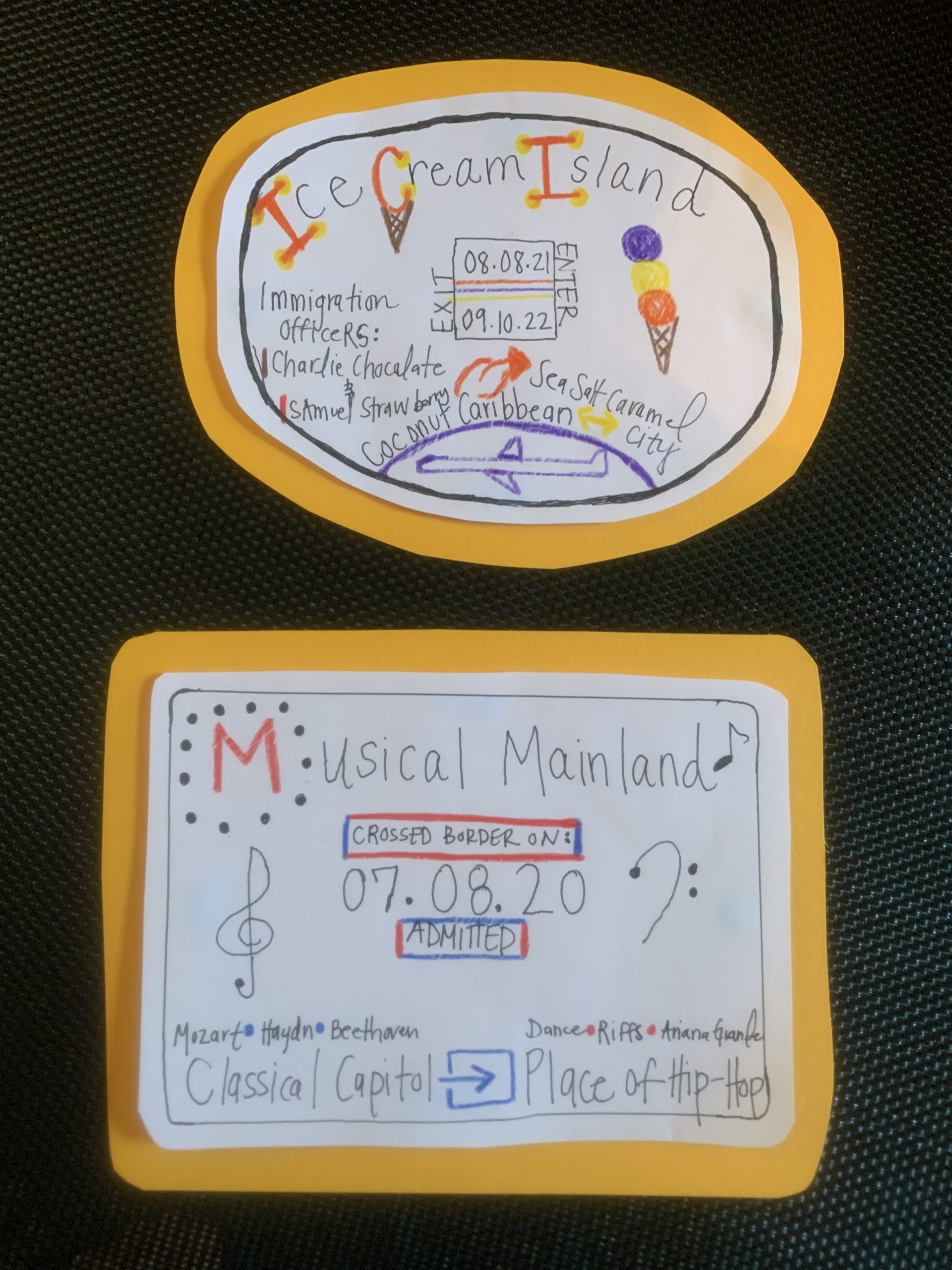
3. Get arty, using travel as your guide.   Make a passport stamp or entry visa for your own country.  Use your imagination!  Here are two designed by friends who love to eat ice cream and sing.  Do these look like your passport stamps?  What can you create?

4.  Brain Games:  Using our World Book Kids subscription, play a few travel-themed brain games. 

    • Log on to World Book Kids.  Begin at the PXES Library Guide home page, using the instructions given in #2 above.  Choose “World Book.”  Choose “World Book Kids.”
    • At the bottom of the World Book Kids home page, look for the “Games” icon and click on it.
    • Click on “Subject.”
    • Choose “Social Studies.”
    • Play either:
      • Countries and Continents (political geography)
      • Landmark Match (landmarks)
      • Hoist the Colors (flags)

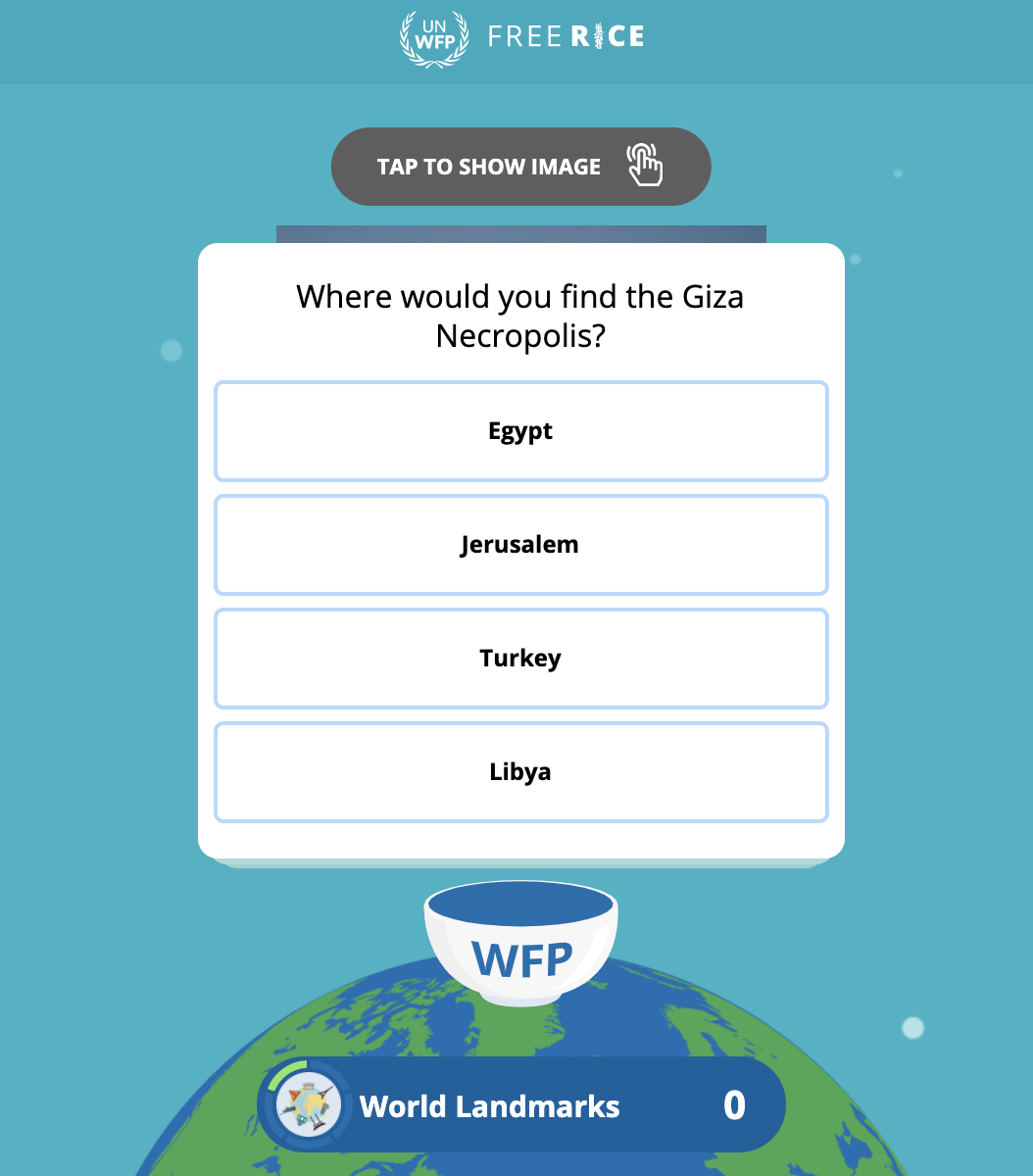
If these are too easy for students in Grade 4 and above, change to Free Rice, UN and World Food Programme Games

Use the hamburger menu in the top, left-hand corner to change categories.  Try playing:

    • World Landmarks
    • Identify Countries on the Map (note: You can play this game in French as well)
    • World Capitals
    • Flags of the World

If you love Free Rice, consider creating an account and saving your points.  Because this is a joint United Nations and World Food Programme effort, by answering questions correctly and learning, you are also helping to fight world hunger.  Free Rice are games you can always feel good about playing!

5.  Go Further:

Grades PreK-2:   Go to Unite for Literacy, linked here:  Unite for Literacy: Trains, Planes, and Boats  Listen to these books in all of your languages!  Choose the narration language by clicking on the globe icon in the top, left-hand corner.

    • Trains, Planes, and Boats
    • Way to Go
    • Would You Step Out into Space?

Grades 3-5:  Return to Tumblebooks and have a look at these longer, more challenging chapter books:

    • Wombat Takes on Tasmania (Read-Along)
    • Wombat Smith, Beijing Breakaway!

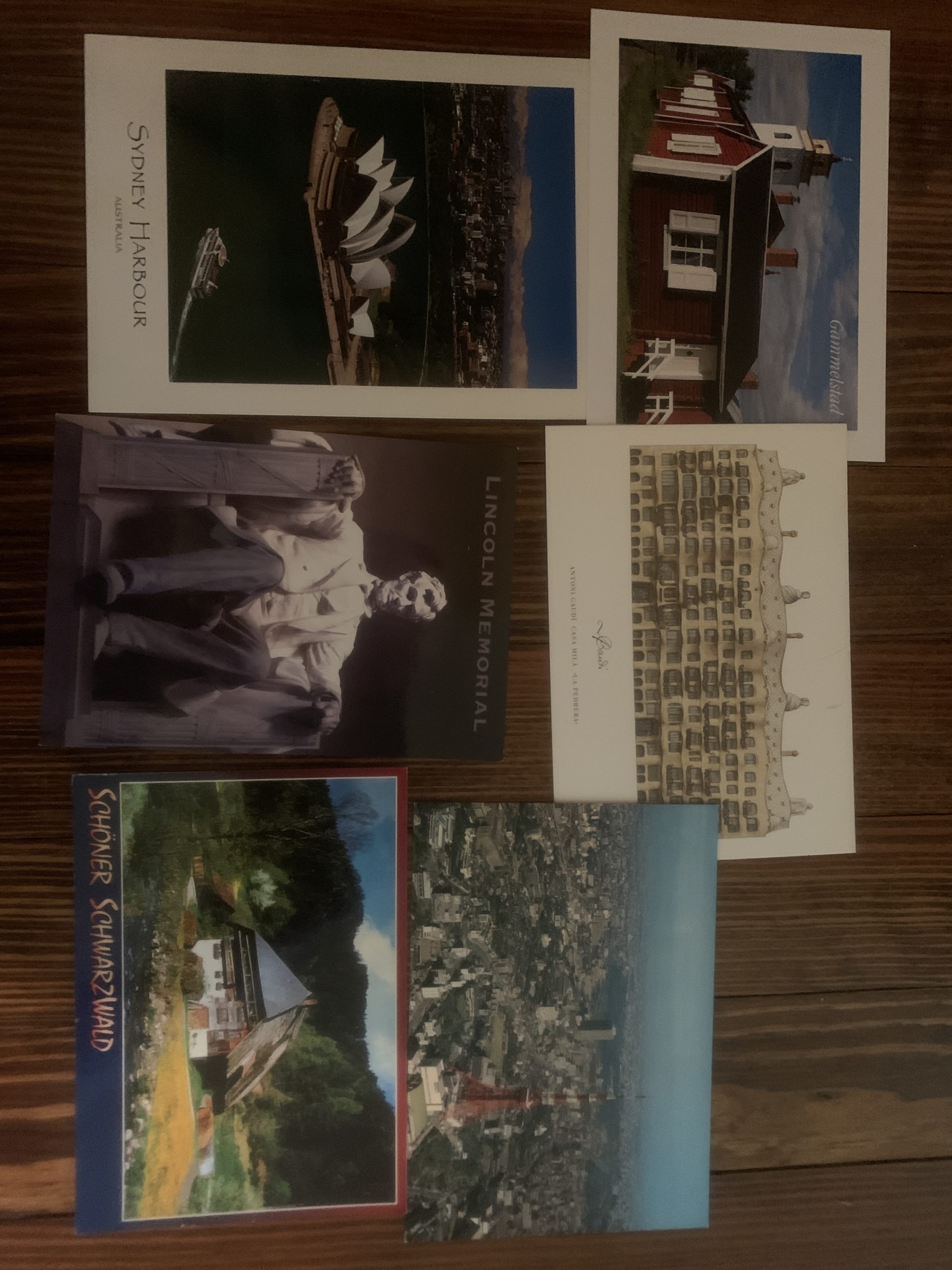
6.  Write About It:  Where would you like to go that you have never been before?  What would you do and see there?  Right now most of us cannot travel.  Take this opportunity to plan a trip that you would like to take when travel is more accessible.  Consider making an infographic, a graphic organizer, a travel poster, or travel postcard.   Be creative and have fun!

Travel Postcards from Miss Betty’s Collection.

7. Beyond the Books:  Virtual Field Trips:  Take a virtual field trip and visit one of these exciting destinations:

Please Remember:  As always, be sure to adapt these activities to your own resources, languages, and children’s interests.  I hope that you have enjoyed our fourth week’s travel theme.  Look for another collection of reading and activity suggestions next week.  Next week, we will even have a special visitor!

Your Friend in the Library, Miss Betty
MUSIC – Summer Reading Week 3 (29 June – 5 July)

Welcome to Summer Reading, Week 3:  MUSIC!

  1. (Introduction) Begin your melody by listening to the  BrainPop Jr. “Musical Instruments” segment. Follow these instructions to find the video:
    1. Go to our PXES Databases Home Page as you have done in previous weeks.  The page is found here:  PXES Library Guide Home Page
    2. Choose Brain Pop Jr.
    3. Log in with the Username and Password.
    4. In the search box, enter “Musical Instruments.”
    5. Watch the video (4:29)
      • PreK-2:  Listen to learn the name of an instrument with strings, an instrument that you hit, and an instrument that you blow through.
      • Grades 3-5:  Listen for 3 instruments that you have never heard of before.

2.  (Read Aloud Picture Book) Next, listen to “The Man with the Violin” by Kathy Stinson.  It is based on a true story about one of the world’s most accomplished violin players, Joshua Bell.  Mr. Bell played a Stradivarius violin, a priceless instrument, in a Washington D.C. metro station.  He delivered a breathtaking performance, but no one knew it was him!  What do you think happened?  Make a prediction and then listen to the story to find out.

    1. Go to our PXES Databases Home Page, linked above.
    2. Choose Tumblebooks.
    3. Log in.
    4. In the search box, enter “The Man with the Violin.”
    5. Choose “Play Video” (7:42)

Was your prediction correct?  If you are curious, find out more about Mr. Bell and this experiment.  Many articles have been written about his subway performance.

3.  Listen to two more picture books, then listen to the music that inspired them.  Before listening to the books, ask yourself what it would be like to try to convey a song without music.  Could you put a song into a book format?  How would you do it? Why would you want to?

PreK-2:  Learn the words to Baby Beluga.  What do you learn about beluga whales by listening to this music?

Grades 3-5:  Writing Extension:  Think of an unusual animal and then write a lullaby about that animal.  Raffi wrote about a baby beluga whale.  Could you write about a baby wombat, a baby stork, a baby cheetah, or some other interesting animal?

4.  (Research) Continue your song by doing some music-themed reading from two of our reference collections. Go to the PXES Library Guide Home Page and choose Pebble Go (PreK-2) or World Book Kids (3-5).

  • PreK-Grade 2:  Go to the PebbleGo Biographies database.  Choose Musicians and Entertainers.  Then, read about two that interest you.  I recommend:
    • Yoyo Ma
    • Louis Armstrong
  • Grades 3-5:  Go to World Book Kids online.  Choose “Important People,” then “Musicians, Composers, & Singers.”  Read about two people who you have never heard of before.  Two of my favorites are:
    • Aretha Franklin
    • Paul Simon

5. Get moving: Go on a listening walk.  Slowly take a walk in your neighborhood, your building, or your apartment.  What do you hear?  Make a note or draw a simple picture each time you hear a new sound.  How many different sounds can you hear in five minutes?  In fifteen minutes?  Could you weave those sounds into a story of your own?

6.  A New Sound:  Enzinma Reinvents Beethoven  PreK-5: This activity is, in my opinion, the most exciting of the week. It is essential that our students see the world as open to their ideas, voices, experiences, and contributions.  Here is one example of a musician who studied the classics but has developed her own, completely unique style.  We don’t just play others’ music.  We can make our own! I hope you enjoy this video of violinist Enzinma playing her own interpretation of Beethoven Fifth Symphony.  Enzima plays Beethoven  

7.  (Research/Interview) Find out more from your own family.  Interview a few members of your family.  What are their favorite songs, bands, or styles of music?  Are those the same or different from yours?  Ask your parents to play music from when they were younger.  What does that music sound like?

Send a short (15 seconds or less) video over e-mail (betty.turpin@saschina.org) telling me what you learned about music in your family.   I will combine your short videos into a longer video to share with our summer reading group.  This will be an experiment, but we can do it!

8. Encore!!   If you enjoyed reading about music and listening to some music, you may wish to continue exploring with these titles:

SORA: 

  • Trombone Shorty by Troy Andrews (Jazz Trombone, Picture Book)
  • Dancing Hands by Margarita Engle (Piano, Picture Book)
  • The First Rule of Punk by Celia C. Perez (Punk, Grades 4-6 Fiction)
  • Echo by Pam Muñoz Ryan (Harmonica, Historical Fiction Gr. 5-8)

Tumblebooks:  Tumblebooks has an entire collection of stories with music as the theme.  Log on to Tumblebooks using the instructions in Activity #2.  Then, choose the “Storybooks” tab and scroll to the bottom for the “Music” category.

Don’t Forget:  Remember to adapt these activities to your own resources, languages, and children’s interests.  I hope that you have enjoyed our third week’s music theme.  Look for another collection of reading and activity suggestions next week.  I’d still love to hear from you or your children about how things are going and what you’d like to see in future weeks.

Your Friend in the Library, Miss Betty
NATURE – Summer Reading, Week 2 (22-28 June 2020)

Welcome to Summer Reading, Week 2:  NATURE!

  1. Begin your exploration by following the links and listening to one of these summer-themed books:
  • PreK-Grade 5: “If You Plant a Seed” by Kadir Nelson.  Listen for the simple story.  Then, think about the bigger message.  What is the author trying to say about life, not just about gardens?  Grades 4 & 5, try to make a connection between this book and current world events centered around social equity and justice.  If You Plant a Seed
  • Grades 2-5:  “Up in the Garden and Down in the Dirt” by Kate Messner (author) and Christopher Silas Neal (illustrator).  What can you learn about gardens and the creatures who live and work in them?  How does the life in a garden change throughout the year?  Up in the Garden and Down in the Dirt

2.  Continue your exploration by doing some nature-themed reading from two of our reference collections. Go to the PXES Library Guide Home Page and choose either Pebble Go (PreK-2) or Brittanica Kids (3-5).

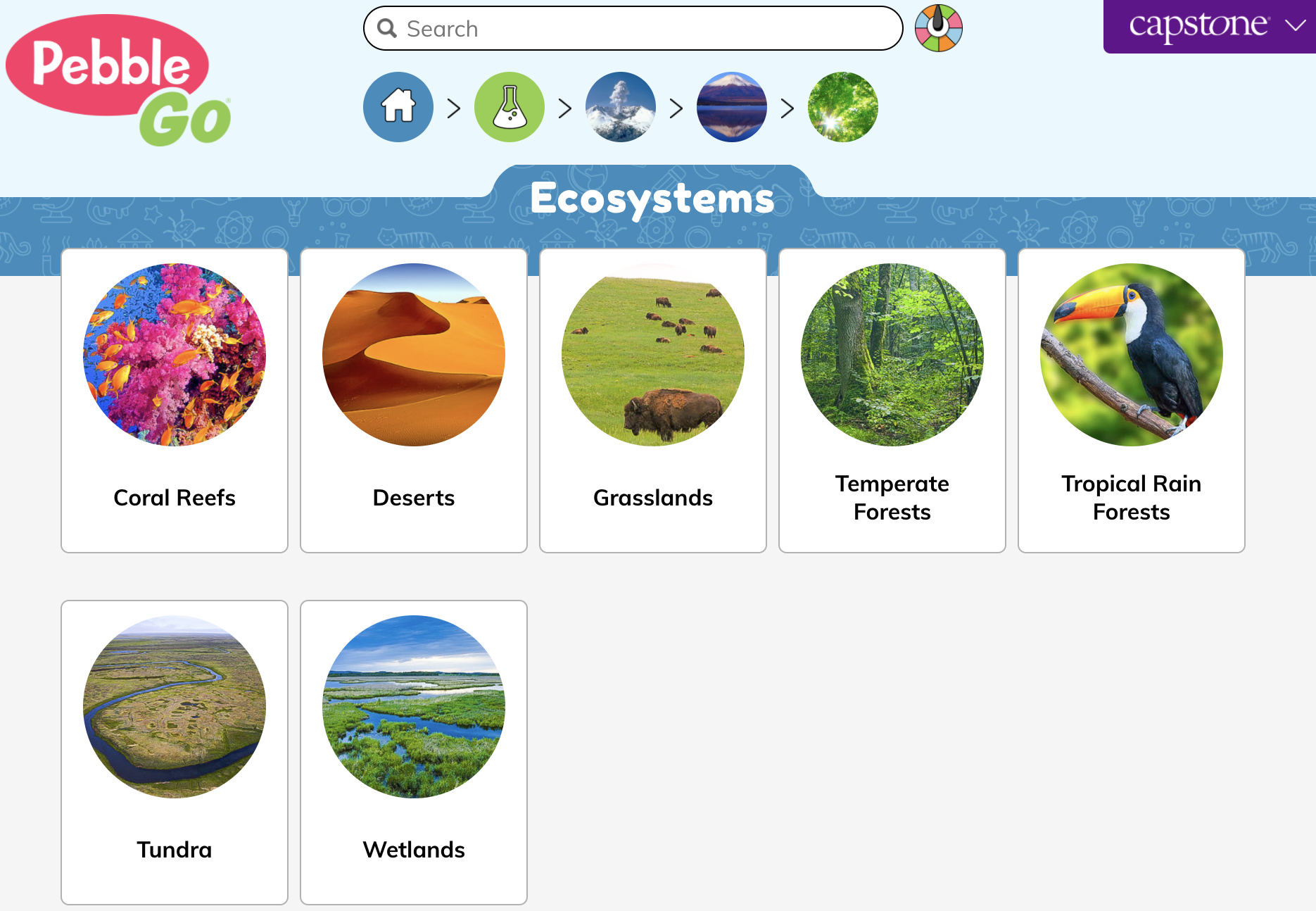
  • PreK-Grade 2:  Go to the PebbleGo Animals, Science, and Dinosaurs database:
    • Choose Science
    • Choose Earth and Space
    • Choose Earth Science
    • Choose Ecosystems
    • Read about coral reefs, deserts, grasslands, temperate forests, tropical rain forests, tundra, and wetlands.

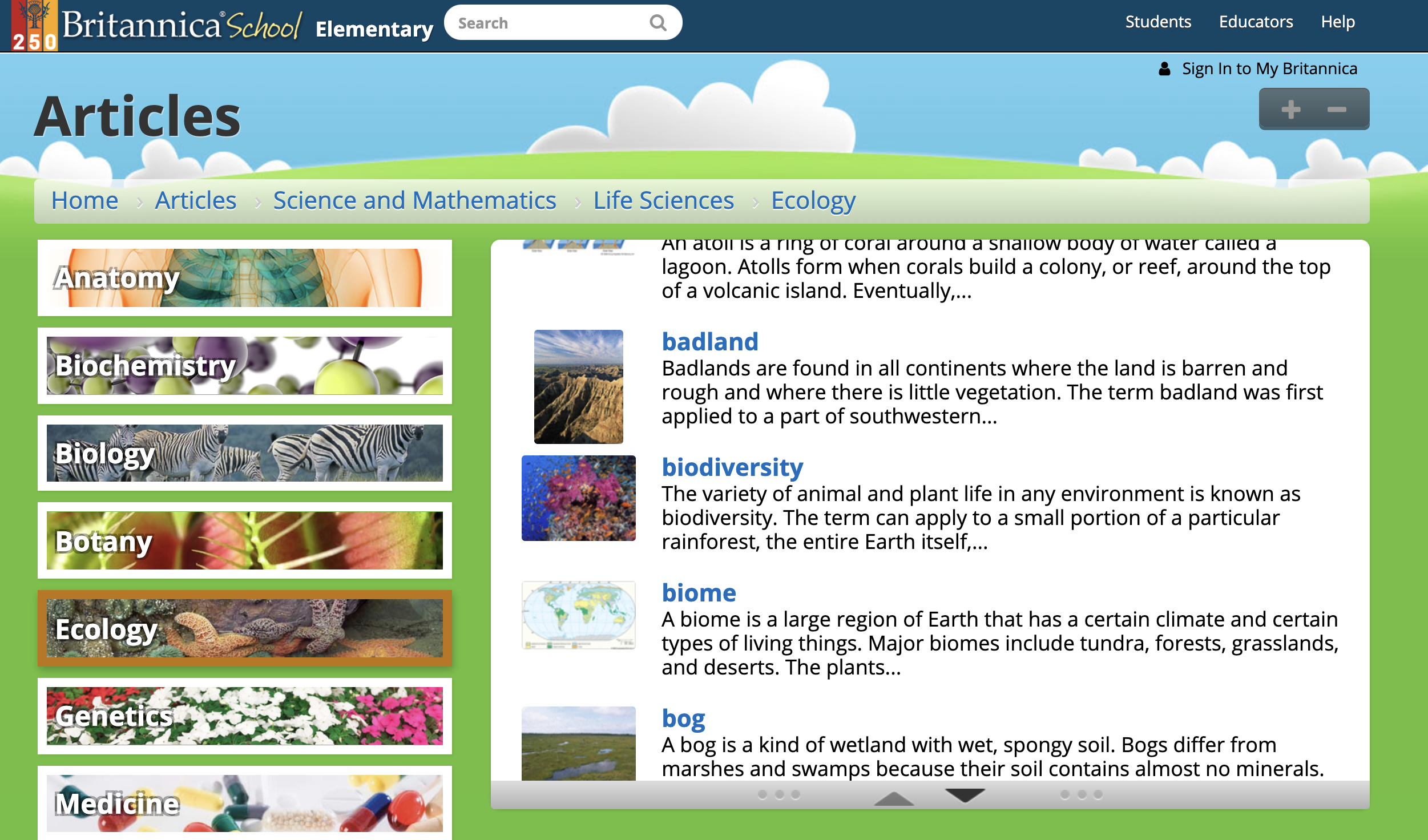
  • Grades 3-5:  Go to Britannica online:
    • Choose Elementary
    • Choose Articles
    • Choose Science and Mathematics
    • Choose Life Sciences
    • Choose Ecology
    • Choose at least three topics which interest you, such as badlands, moor, or parasite.

3. Get arty, using nature as your guide.   Watch this video about observing nature as part of protecting a city’s water supply.  Then, go for your own nature walk, make your own observations, collect some sticks, leaves, blossoms, or seeds, and make some art.  Will you make a monkey emoji like Owen, or something else just as fun?  Start Here:  Summer STEAM Challenge, Nature Observations

4.  Play Games:   Use our digital magazines to play a visual puzzle game.  Start on the PXES Library Guide Home Page, linked above in #2.  Choose the third tab, “Early Elementary Magazines.”  Click on National Geographic Kids.  Choose the March, 2020 issue.  Use the forward arrows on the right to go to page 28-29 and play “Down Underwater.”  What will you discover in the Great Barrier Reef?  Use the “Zoom” feature to enlarge the image and play hidden pictures!

If you explore this issue, you’ll find a short article entitled, “30 Cool Things About China.”  How many of them did you already know??  My favorite is the fact about green bean popsicles 🙂

5.  Go Further:

Grades PreK-2:  Listen to “Garden Giants” at Unite for Literacy.  Go to Unite for Literacy, linked here:  Unite for Literacy, Garden Giants  Listen to “Garden Giants” by Holly Hartman in both English and Mandarin.

Grades 3-5:  View and consider the work of Caldecott Award artist Kadir Nelson, here:  Kadir Nelson Web Site  What subjects does Mr. Nelson often paint?  What magazine features covers painted by Mr. Nelson?  How would you describe his work?  

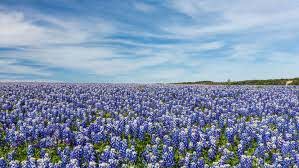
6.  Write About It:  What is your most favorite place in nature?  For me, it is probably a Texas bluebonnet field.  Write a short description of your most favorite place and explain why it means so much to you.  Try to convey the colors, sounds,  and textures to your readers.  Do you have a special memory of this place, or perhaps a tradition associated with this place?  Illustrate your writing then share it with someone in your family.

7. Beyond the Books:  There are many places to get information besides books, magazines, and newspapers.  What can you learn about your breakfast from this infographic on pollinators?  Chicago Botanic Garden, Pollinators Infographic  Could you make your own infographic?  Use information that you learned from your reading this week, add visuals, and share.

Before you go:  As always, please adapt these activities to your own resources, languages, and children’s interests.  I hope that you have enjoyed our second week’s nature theme.  Look for another collection of reading and activity suggestions next week.  I’d love to hear your preferences for themes or topics!

Your Friend in the Library, Miss Betty
ADVENTURE – Summer Reading, Week 1 (15-21 June 2020)

Welcome to Summer Reading, Week 1:  ADVENTURE!

  1. Begin your adventure by following the links and listening to one of these summer-themed books:
  • PreK-Grade 2:  “Carl’s Summer Vacation” by Alexandra Day.  This is a (mostly) wordless picture book.  Use your languages to tell the story yourself!  Carl’s Summer Vacation
  • Grades 2-5:  “Scaredy Squirrel at the Beach” by Mélanie Watt.  Older readers, look at how this story is structured.  It is full of checklists and diagrams, an usual format for a picture book!  Scaredy Squirrel at the Beach

2.  Continue your adventure by doing some extra, summer-themed reading.  Go to the PXES Library Guide Home Page and choose Tumblebooks.

  • PreK-Grade 2:  Go to the Tumblebooks library and look for these titles:
    • “Biscuit” by Alyssa Satin Capucilli.
    • “A Camping Spree with Mr. Magee” by Chris Van Dusen.
    • “Sink or Swim” by Valerie Coulman
  • Grades 2-3: Go to the Tumblebooks library and look for these titles:
    • “Nathan Saves Summer” by Gerry Renert
    • “Daisy Diaz Shakes up Camp” by Lisa Harkrader
    • “Lark Holds the Key” by Natasha Deen
    • “Adventures at Camp Lots-O-Fun” by Marilyn Helmer
  • Grades 4-5:  Go to the Tumblebooks library and look for these titles:
    • “Because of Winn Dixie” by Kate DiCamillo
    • “Tom Swift, Young Inventor: Into the Abyss” by Victor Appleton

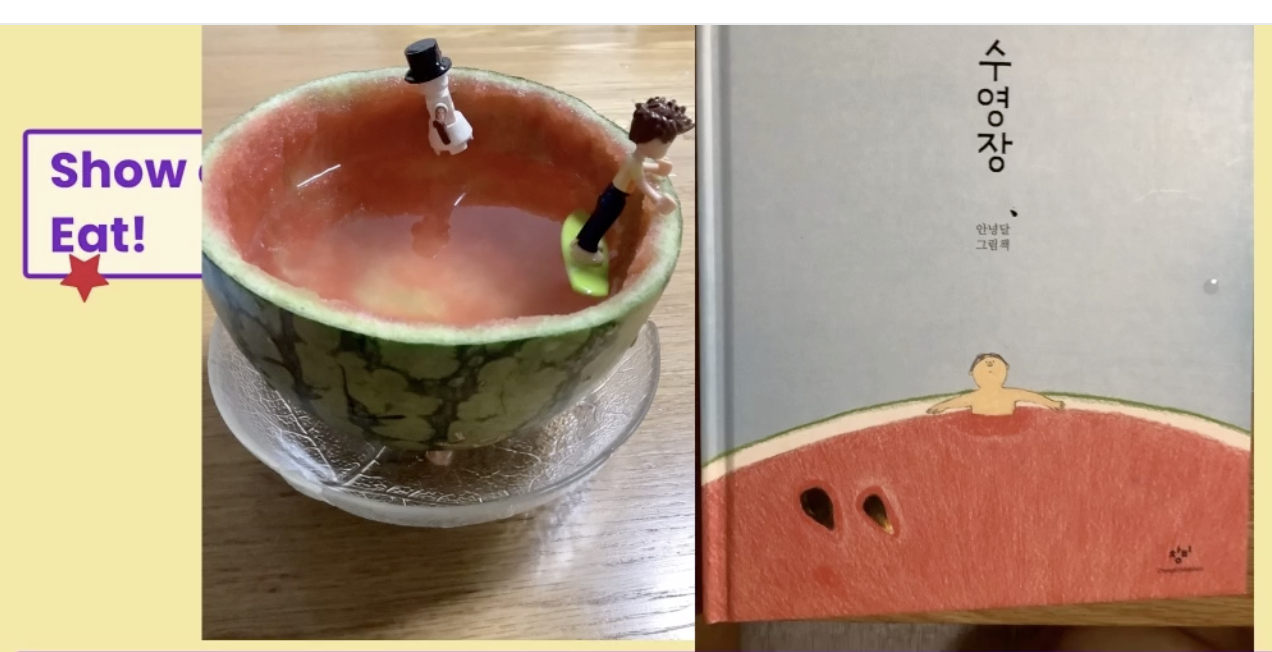
3.  Head into the Kitchen and create something with food that reminds you of summer.  Could you create Scaredy Squirrel’s beach?  Carl and Madeline’s canoe? A swimming pool full of Lego people?  Here is an example, created a few weeks ago by Ain, a student in 1NF.  She made a swimming pool using a watermelon!! Many thanks to her family for sharing her work:

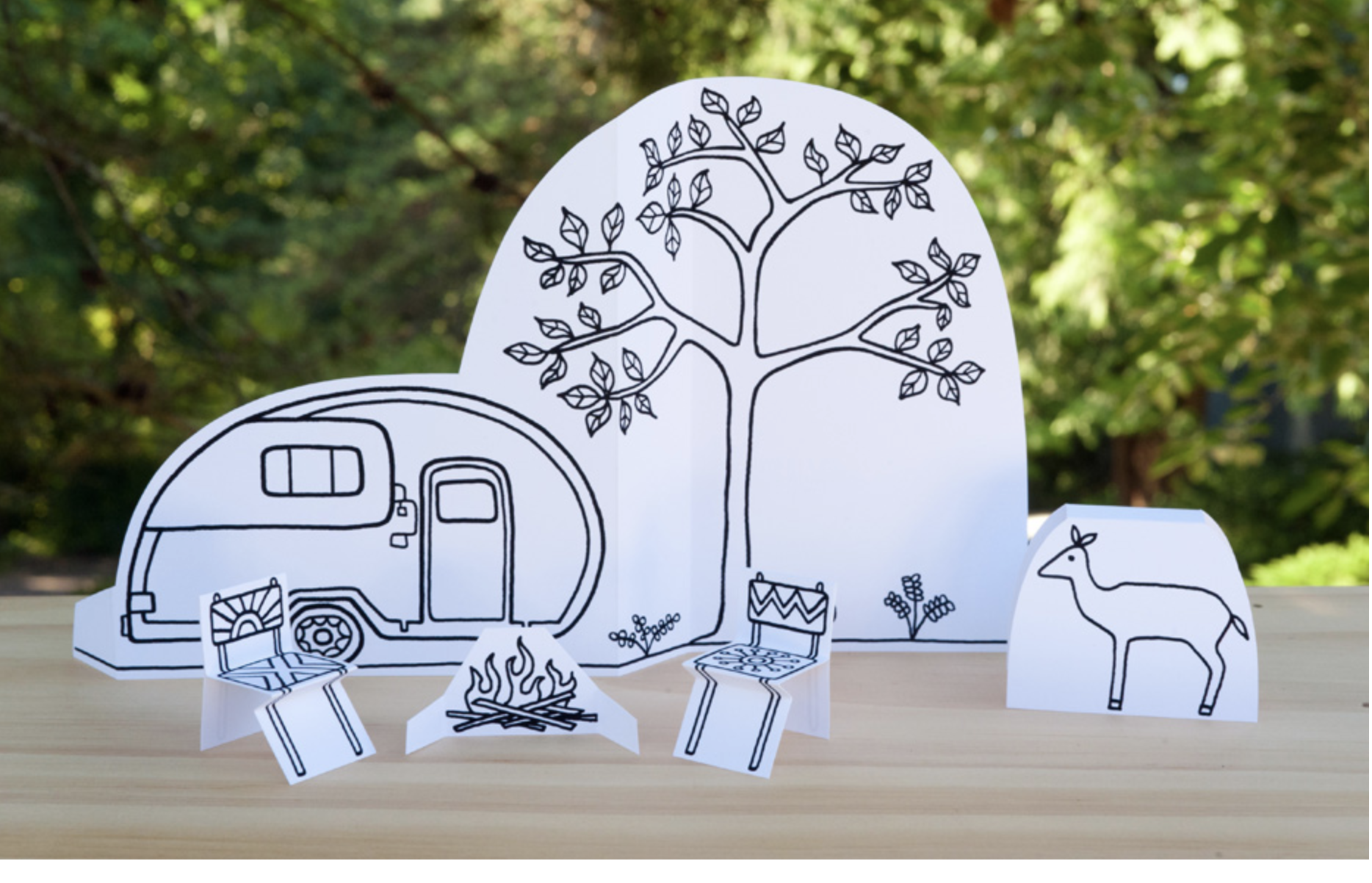
4. Get crafty with Made by Joel.  Download, print, and color the camping scene, then imagine all kinds of camping adventures.  Here’s the link:  Made by Joel Camping Scene

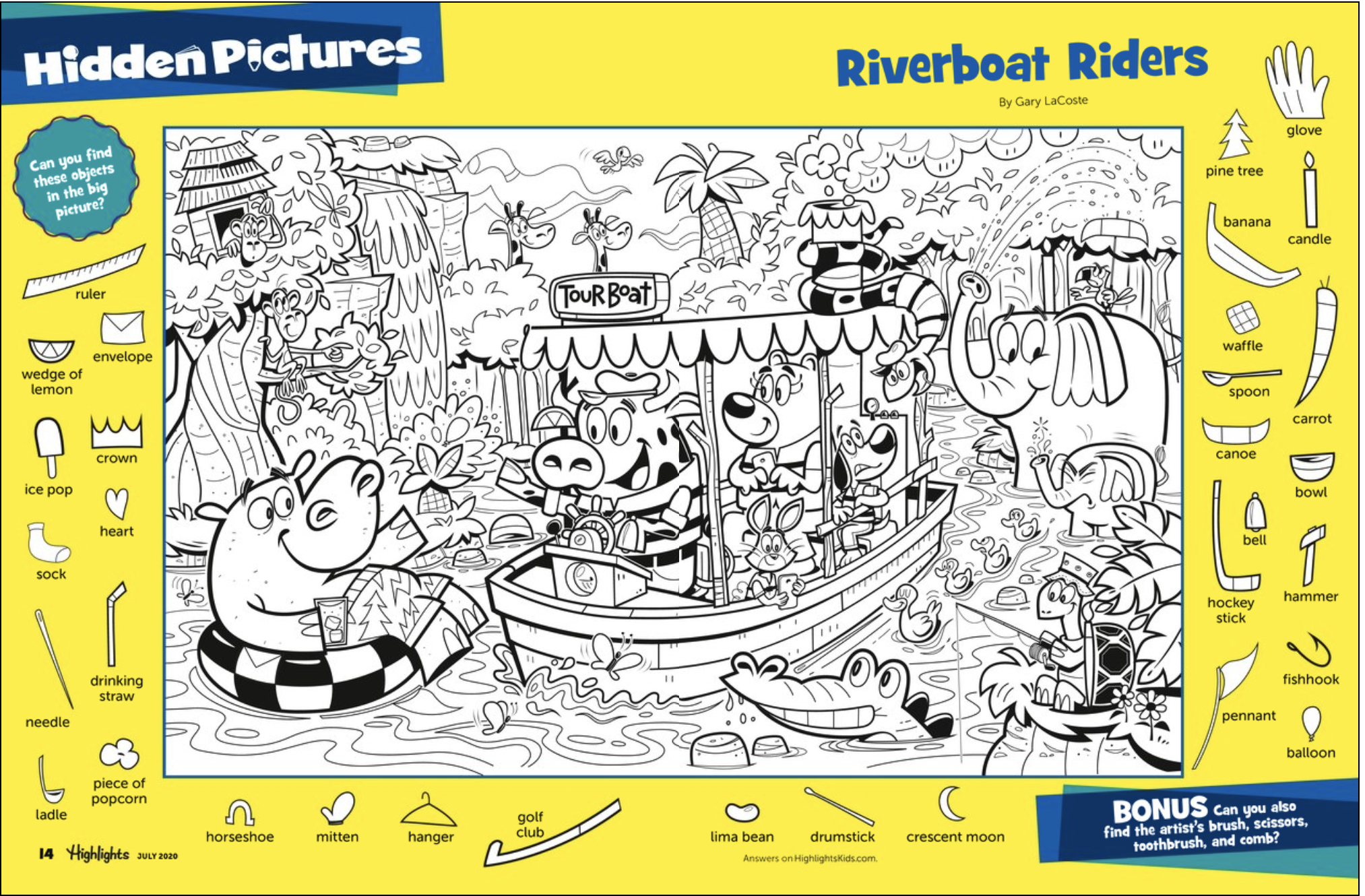
5.  Play Games:  Using our digital magazine subscriptions, go to the July, 2020 issue of Highlights Magazine.  On page 14-15, play Hidden Pictures.  Go on a Riverboat Ride and find all of the hidden objects!

To access the digital magazines, start on the PXES Library Guide Home Page, linked above.  Choose the third tab, “Early Elementary Magaines.”  Click on Highlights Magazine.  The July, 2020 issue will load.  Use the forward arrow on the right to go to page 14-15 where you will find the Hidden Pictures puzzle.  Use the “Zoom” feature to enlarge the image and play hidden pictures!

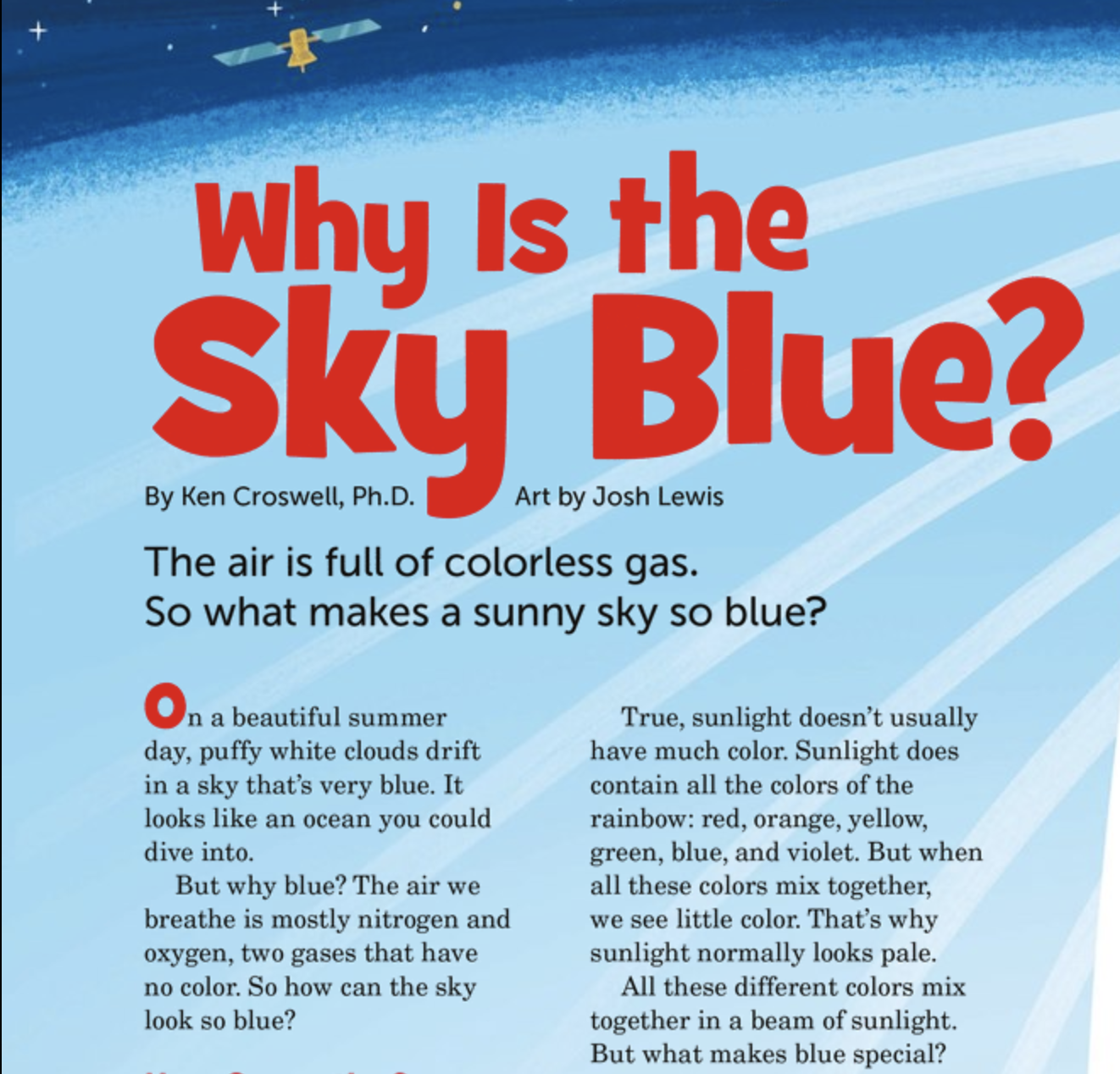
6.  Learn:  Staying in the July, 2020 issue of Highlights Magazine, advance to page 16-17 and find out why the sky is blue!  Blue skies make our summers beautiful – discover the science behind our summer skies.

7.  Write: Create your own Summer Adventure!

PreK-Grade 1:  Think back to Carl and Madeline’s summer afternoon.  Using a device with a camera, take a few pictures of things that you like to do on a summer day.  Write a sentence to tell about each picture.  You will have a story similar to Carl and Madeline’s!  I hope that you don’t run into any skunks!!

Grades 1-5: Using your imagination and remembering everything you learned about writing this year, make a travel brochure to an imaginary place.  Could you convince your reader to spend a week exploring a lollipop forest? Visit an undersea amusement park?  Ride a bullet train through the center of the earth?  Go camping on Mars?  Get creative and get busy!  The only thing more fun that reading someone else’s story is writing your own.  

A few final words:  Please remember that you can and should adapt these activities to your own resources and children’s interests.  I hope that you have enjoyed our opening week’s Adventure theme.  Look for another collection of reading and activity suggestions next week.

Your Friend in the Library, Miss Betty